
Recognising Depression in School-Age Children
Recognising Depression in School-Age Children
A guide for parents, carers and education staff in the UK
A guide for parents, carers and education staff in the UK
22.03.26
22.03.26
Childhood depression is not simply a case of feeling sad. It is a clinically recognised mental health condition that can have a significant and lasting impact on a child’s development, education, and overall well-being. Yet in the UK, it remains widely under identified — partly because its symptoms in children can present very differently to those seen in adults, and partly because of the stigma that still surrounds mental health.
According to NHS England’s 2023 Mental Health of Children and Young People survey, one in five children and young people aged 8 to 25 had a probable mental health condition — up from one in nine in 2017. Among 8 to 16 year olds specifically, 20% met the threshold for a probable mental disorder. The Children’s Society further reports that in a typical classroom of 30 pupils, as many as five are likely to have a mental health problem.
Depression is one of the most common emotional disorders affecting children and young people in England. Early recognition by parents and school staff is critical: the Mental Health Foundation reports that 50% of all mental health problems are established by the age of 14, yet 70% of children and adolescents who experience difficulties do not receive appropriate support at a sufficiently early stage.
What Is Childhood Depression.
Depression is a mental health condition involving persistent low mood that affects how a person thinks, feels and functions over a prolonged period. In children, it can develop as a reaction to difficult life circumstances — such as bereavement, bullying, family breakdown, or trauma — but it can also occur without any obvious trigger.
It is important to distinguish depression from normal fluctuations in mood. Children regularly experience sadness, frustration, and periods of low energy as part of typical development. Depression, however, is characterised by symptoms that are persistent, pervasive, and significantly disruptive to daily life. As described by NHS CAMHS services, it is the difference between “bouts of surly or grumpy behaviour, and unremitting, deep unhappiness over time, with a significant lack of interest in anything at all.”
Signs & Symptoms to Look Out For
The signs of depression in children can be emotional, physical, behavioural, and academic. They may not all be present at once, and some children may mask their difficulties effectively. Below are the key indicators that parents and school staff should be aware of.
Emotional Signs
Persistent sadness, tearfulness, or a sense of hopelessness that does not lift
Increased irritability, anger, or emotional outbursts that are out of proportion to the situation.
Feelings of worthlessness, excessive guilt, or low self-esteem.
Appearing numb, empty, or emotionally flat, unable to feel enjoyment or pleasure
Expressing a bleak or negative view of the future.
Behavioural Signs
• Withdrawal from friends, family, and activities they previously enjoyed
• Declining participation in school clubs, sports, or social events
• Increased time spent alone, including excessive screen use as an avoidance strategy
• Neglect of personal hygiene or self-care routines
• Running away, impulsive behaviour, or unexplained risk-taking
Physical Signs
• Persistent fatigue, low energy, or appearing physically drained
• Disturbed sleep — difficulty falling asleep, waking frequently, or sleeping excessively. NHS data shows that 85% of 8–16 year olds with a probable mental health condition experience regular sleep disruption
• Changes in appetite or weight — either loss of interest in food or overeating
• Unexplained physical complaints such as headaches or stomach aches, particularly around school attendance
Academic Signs
• Unexplained drop in academic performance or concentration difficulties
• Increased school absences or refusal to attend school
• Disengagement in class, failure to complete work, or a loss of motivation
• Difficulty making decisions or retaining information
The school impact of poor mental health is considerable: NHS data shows that 30% of 11–16 year olds with a probable mental health condition missed a week or more of school in 2023, compared to 10% of their peers without a mental health condition. Additionally, 74% of teachers report that poor mental health negatively impacts pupils’ ability to learn.
Urgent Warning Signs
The following signs require immediate attention and should not be dismissed. If a child expresses any of the following, seek help without delay:
• Expressing thoughts of self-harm, or evidence of self-harm behaviour
• Statements about not wanting to be alive, feeling that life is not worth living, or suicidal ideation
• Giving away prized possessions or saying goodbye in unusual ways
• A sudden and unexplained improvement in mood after a period of severe depression (which can sometimes indicate a decision has been made)
In a mental health emergency, call 999 or take the child to your nearest A&E. You can also contact the Samaritans on 116 123 (free, 24/7) or text SHOUT to 85258.
Risk Factors (The UK Version)
Certain factors increase a child’s vulnerability to depression. UK data highlights several relevant risk factors:
• Financial hardship: Children from low-income families are four times more likely to experience mental health problems than those from higher-income families (Place2Be). In 2023, children with a probable mental health condition were more than twice as likely to live in households that had fallen behind on rent, bills, or mortgage payments.
• Bullying: Children aged 11–16 with a probable mental disorder are five times more likely to have experienced in-person bullying, and over four times more likely to have been bullied online.
• Family breakdown, bereavement, or adverse childhood experiences (ACEs): One third of adult mental health problems are directly connected to an adverse childhood experience.
• Being on the SEND register: Social, emotional, and mental health needs are the second most common need among children with SEND in England, affecting over 229,700 pupils.
• LGBT+ identity: Young people who identify as LGBT+ consistently report higher rates of mental health difficulties and lower levels of wellbeing.
What to Do If You Suspect Depression
For Parents and Carers
1. Talk to your child. Approach the conversation calmly and without judgement. Let them know what you have noticed and that you are there to listen. Avoid minimising their feelings or offering quick solutions. If they are not ready to talk, try again another day.
2. Contact your GP. A general practitioner is the primary point of contact for mental health concerns in children. They can carry out an initial assessment and, if appropriate, refer your child to Child and Adolescent Mental Health Services (CAMHS) — the NHS service that assesses and treats children and young people experiencing mental health difficulties.
3. Speak with the school. Schools can provide significant support, including pastoral care, SENCO involvement, counselling services, and referrals to the educational psychologist. Only 23.3% of 11–16 year olds accessed school-based mental health support in 2023, despite many more needing it — so proactively engaging with school staff is important.
4. Be aware of waiting times. NHS CAMHS services are currently under considerable strain. In 2023/24, over 78,500 young people waited more than a year for mental health treatment. While waiting, explore support from charities such as YoungMinds (youngminds.org.uk) or Place2Be, and consider whether school counselling or local Early Help services can provide interim support.
For School Staff
1. Document what you observe. Keep a factual record of changes in attendance, engagement, academic performance, and behaviour. Note dates and specific incidents. This information will be valuable if a referral is needed.
2. Speak to the child sensitively. If you have a pastoral role or a trusted relationship with the pupil, a quiet, non-pressuring conversation can open a door. Be careful not to over-question or attempt to provide therapeutic intervention yourself.
3. Alert the SENCO and pastoral team. Schools have a designated safeguarding lead (DSL) and SENCO who can coordinate support and liaise with external services. If there is any concern for the child’s safety, the DSL must be informed immediately.
4. Engage with parents and carers. With appropriate sensitivity, sharing your concerns with parents or carers is essential. A joint, co-ordinated approach between home and school is likely to be far more effective than either acting independently.
5. Referral to CAMHS via the school. Schools can refer directly to CAMHS via the educational psychologist or SENCO. CAMHS accept referrals for children whose symptoms suggest a probable mental illness and are having a significant impact on daily functioning.
What Treatment Looks Like
If a child is diagnosed with depression, treatment will typically be tailored to their age, severity of symptoms, and individual needs. The most common approaches within the NHS include Cognitive Behavioural Therapy (CBT), which helps children identify and manage negative thought patterns; individual or family talking therapy; and in some cases, medication (which is generally only considered for older adolescents and is prescribed alongside therapy). Research from Place2Be shows that 78% of children aged 4–11 and 91% of those aged 11–18 showed improvement in mental health following one-to-one school-based counselling.
Helpful Resources
Youngminds (information and support for young people and parents
NHS CAMHS - Search children and young people's mental health
Place2Be - School based counselling and mental health support
ChildLine - 0800 1111 - Free phoneline help for children aged upto 18
Childhood depression is not simply a case of feeling sad. It is a clinically recognised mental health condition that can have a significant and lasting impact on a child’s development, education, and overall well-being. Yet in the UK, it remains widely under identified — partly because its symptoms in children can present very differently to those seen in adults, and partly because of the stigma that still surrounds mental health.
According to NHS England’s 2023 Mental Health of Children and Young People survey, one in five children and young people aged 8 to 25 had a probable mental health condition — up from one in nine in 2017. Among 8 to 16 year olds specifically, 20% met the threshold for a probable mental disorder. The Children’s Society further reports that in a typical classroom of 30 pupils, as many as five are likely to have a mental health problem.
Depression is one of the most common emotional disorders affecting children and young people in England. Early recognition by parents and school staff is critical: the Mental Health Foundation reports that 50% of all mental health problems are established by the age of 14, yet 70% of children and adolescents who experience difficulties do not receive appropriate support at a sufficiently early stage.
What Is Childhood Depression.
Depression is a mental health condition involving persistent low mood that affects how a person thinks, feels and functions over a prolonged period. In children, it can develop as a reaction to difficult life circumstances — such as bereavement, bullying, family breakdown, or trauma — but it can also occur without any obvious trigger.
It is important to distinguish depression from normal fluctuations in mood. Children regularly experience sadness, frustration, and periods of low energy as part of typical development. Depression, however, is characterised by symptoms that are persistent, pervasive, and significantly disruptive to daily life. As described by NHS CAMHS services, it is the difference between “bouts of surly or grumpy behaviour, and unremitting, deep unhappiness over time, with a significant lack of interest in anything at all.”
Signs & Symptoms to Look Out For
The signs of depression in children can be emotional, physical, behavioural, and academic. They may not all be present at once, and some children may mask their difficulties effectively. Below are the key indicators that parents and school staff should be aware of.
Emotional Signs
Persistent sadness, tearfulness, or a sense of hopelessness that does not lift
Increased irritability, anger, or emotional outbursts that are out of proportion to the situation.
Feelings of worthlessness, excessive guilt, or low self-esteem.
Appearing numb, empty, or emotionally flat, unable to feel enjoyment or pleasure
Expressing a bleak or negative view of the future.
Behavioural Signs
• Withdrawal from friends, family, and activities they previously enjoyed
• Declining participation in school clubs, sports, or social events
• Increased time spent alone, including excessive screen use as an avoidance strategy
• Neglect of personal hygiene or self-care routines
• Running away, impulsive behaviour, or unexplained risk-taking
Physical Signs
• Persistent fatigue, low energy, or appearing physically drained
• Disturbed sleep — difficulty falling asleep, waking frequently, or sleeping excessively. NHS data shows that 85% of 8–16 year olds with a probable mental health condition experience regular sleep disruption
• Changes in appetite or weight — either loss of interest in food or overeating
• Unexplained physical complaints such as headaches or stomach aches, particularly around school attendance
Academic Signs
• Unexplained drop in academic performance or concentration difficulties
• Increased school absences or refusal to attend school
• Disengagement in class, failure to complete work, or a loss of motivation
• Difficulty making decisions or retaining information
The school impact of poor mental health is considerable: NHS data shows that 30% of 11–16 year olds with a probable mental health condition missed a week or more of school in 2023, compared to 10% of their peers without a mental health condition. Additionally, 74% of teachers report that poor mental health negatively impacts pupils’ ability to learn.
Urgent Warning Signs
The following signs require immediate attention and should not be dismissed. If a child expresses any of the following, seek help without delay:
• Expressing thoughts of self-harm, or evidence of self-harm behaviour
• Statements about not wanting to be alive, feeling that life is not worth living, or suicidal ideation
• Giving away prized possessions or saying goodbye in unusual ways
• A sudden and unexplained improvement in mood after a period of severe depression (which can sometimes indicate a decision has been made)
In a mental health emergency, call 999 or take the child to your nearest A&E. You can also contact the Samaritans on 116 123 (free, 24/7) or text SHOUT to 85258.
Risk Factors (The UK Version)
Certain factors increase a child’s vulnerability to depression. UK data highlights several relevant risk factors:
• Financial hardship: Children from low-income families are four times more likely to experience mental health problems than those from higher-income families (Place2Be). In 2023, children with a probable mental health condition were more than twice as likely to live in households that had fallen behind on rent, bills, or mortgage payments.
• Bullying: Children aged 11–16 with a probable mental disorder are five times more likely to have experienced in-person bullying, and over four times more likely to have been bullied online.
• Family breakdown, bereavement, or adverse childhood experiences (ACEs): One third of adult mental health problems are directly connected to an adverse childhood experience.
• Being on the SEND register: Social, emotional, and mental health needs are the second most common need among children with SEND in England, affecting over 229,700 pupils.
• LGBT+ identity: Young people who identify as LGBT+ consistently report higher rates of mental health difficulties and lower levels of wellbeing.
What to Do If You Suspect Depression
For Parents and Carers
1. Talk to your child. Approach the conversation calmly and without judgement. Let them know what you have noticed and that you are there to listen. Avoid minimising their feelings or offering quick solutions. If they are not ready to talk, try again another day.
2. Contact your GP. A general practitioner is the primary point of contact for mental health concerns in children. They can carry out an initial assessment and, if appropriate, refer your child to Child and Adolescent Mental Health Services (CAMHS) — the NHS service that assesses and treats children and young people experiencing mental health difficulties.
3. Speak with the school. Schools can provide significant support, including pastoral care, SENCO involvement, counselling services, and referrals to the educational psychologist. Only 23.3% of 11–16 year olds accessed school-based mental health support in 2023, despite many more needing it — so proactively engaging with school staff is important.
4. Be aware of waiting times. NHS CAMHS services are currently under considerable strain. In 2023/24, over 78,500 young people waited more than a year for mental health treatment. While waiting, explore support from charities such as YoungMinds (youngminds.org.uk) or Place2Be, and consider whether school counselling or local Early Help services can provide interim support.
For School Staff
1. Document what you observe. Keep a factual record of changes in attendance, engagement, academic performance, and behaviour. Note dates and specific incidents. This information will be valuable if a referral is needed.
2. Speak to the child sensitively. If you have a pastoral role or a trusted relationship with the pupil, a quiet, non-pressuring conversation can open a door. Be careful not to over-question or attempt to provide therapeutic intervention yourself.
3. Alert the SENCO and pastoral team. Schools have a designated safeguarding lead (DSL) and SENCO who can coordinate support and liaise with external services. If there is any concern for the child’s safety, the DSL must be informed immediately.
4. Engage with parents and carers. With appropriate sensitivity, sharing your concerns with parents or carers is essential. A joint, co-ordinated approach between home and school is likely to be far more effective than either acting independently.
5. Referral to CAMHS via the school. Schools can refer directly to CAMHS via the educational psychologist or SENCO. CAMHS accept referrals for children whose symptoms suggest a probable mental illness and are having a significant impact on daily functioning.
What Treatment Looks Like
If a child is diagnosed with depression, treatment will typically be tailored to their age, severity of symptoms, and individual needs. The most common approaches within the NHS include Cognitive Behavioural Therapy (CBT), which helps children identify and manage negative thought patterns; individual or family talking therapy; and in some cases, medication (which is generally only considered for older adolescents and is prescribed alongside therapy). Research from Place2Be shows that 78% of children aged 4–11 and 91% of those aged 11–18 showed improvement in mental health following one-to-one school-based counselling.
Helpful Resources
Youngminds (information and support for young people and parents
NHS CAMHS - Search children and young people's mental health
Place2Be - School based counselling and mental health support
ChildLine - 0800 1111 - Free phoneline help for children aged upto 18
Josh Ezekiel
Josh Ezekiel
our journal
our journal
More insights for you.
More insights for you.
Explore more reflections, guidance, and practical tools to support your growth and well-being.
Explore more reflections, guidance, and practical tools to support your growth and well-being.
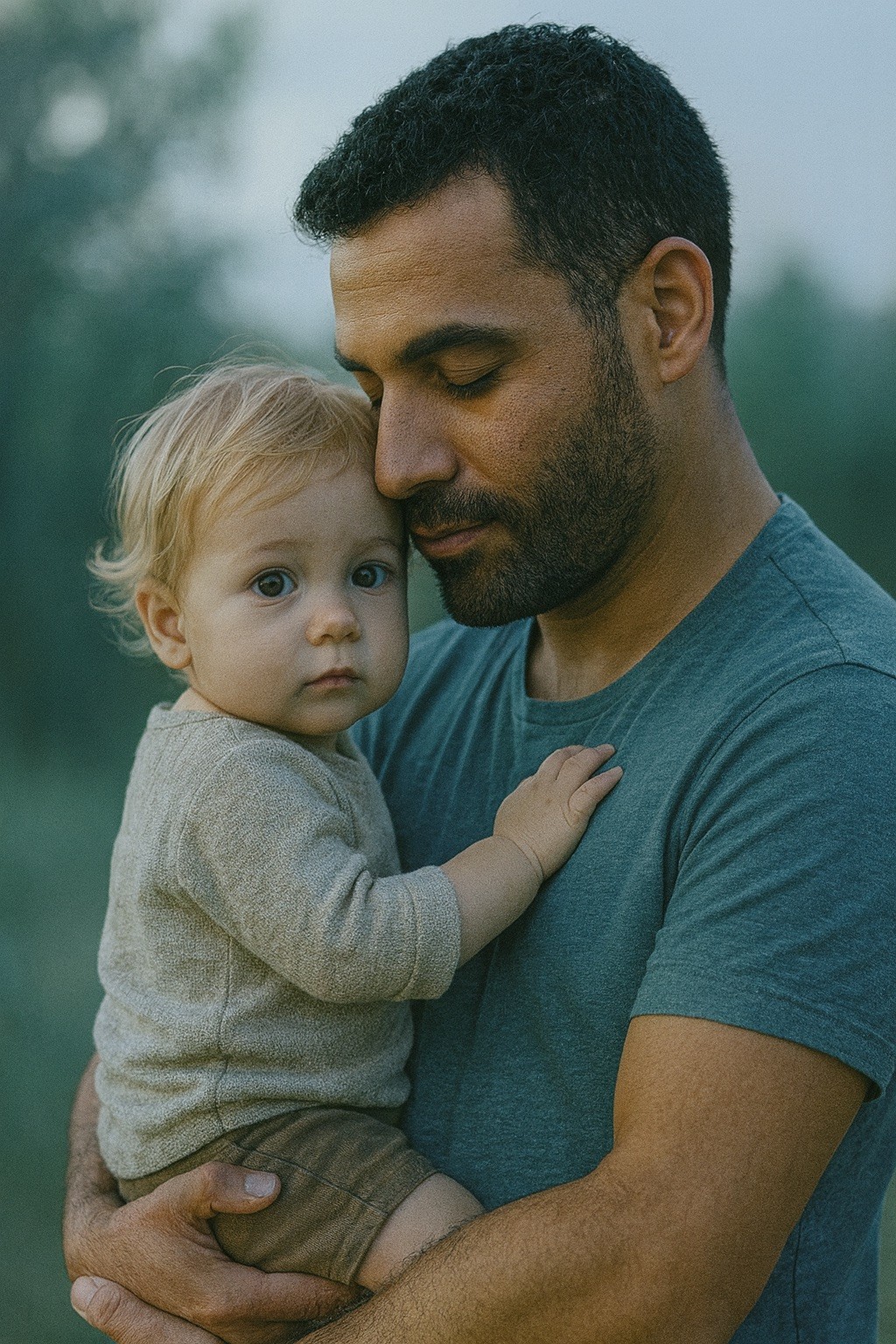
Your child is four years old. They still need help putting their shoes on the right feet. They still crawl into your bed at 3am. They still believe in magic. And the government has decided they need to be assessed. Not supported. Not welcomed into school with warmth and patience. Assessed. Scored. Logged into a national database before they have even learned where the toilets are. You didn't vote for this. You weren't asked. And if you're only just finding out about it now, that's not an accident. The quieter this stays, the easier it is to keep doing it. This is what the Reception Baseline Assessment actually is, who it actually serves, and why you should be absolutely furious.
Your child is four years old. They still need help putting their shoes on the right feet. They still crawl into your bed at 3am. They still believe in magic. And the government has decided they need to be assessed. Not supported. Not welcomed into school with warmth and patience. Assessed. Scored. Logged into a national database before they have even learned where the toilets are. You didn't vote for this. You weren't asked. And if you're only just finding out about it now, that's not an accident. The quieter this stays, the easier it is to keep doing it. This is what the Reception Baseline Assessment actually is, who it actually serves, and why you should be absolutely furious.

In a noisy world full of advice, opinions, and pressure, it’s easy to lose touch with your own voice. We start living on autopilot — doing what’s expected instead of what feels true.
In a noisy world full of advice, opinions, and pressure, it’s easy to lose touch with your own voice. We start living on autopilot — doing what’s expected instead of what feels true.
Your questions.
Answered.
Not sure what to expect? These answers might help you feel more confident as you begin.
Didn’t find your answer? Send me a message, I'll respond as soon as I can.
Why should I trust your guidance?
You don't have to straight away. Trust builds through conversation. I've spent years working directly with children and families, writing developmental observations, navigating nursery systems for parents, and training in Child & Adolescent Psychotherapy. I don't rush to judge behaviour. I look for the meaning.
Why should I trust your guidance?
You don't have to straight away. Trust builds through conversation. I've spent years working directly with children and families, writing developmental observations, navigating nursery systems for parents, and training in Child & Adolescent Psychotherapy. I don't rush to judge behaviour. I look for the meaning.
Do you only work with parents and families?
Do you only work with parents and families?
Parents and families are at the heart of my work, especially while I'm training as a Child & Adolescent Psychotherapist.
But I can, and do support anyone who needs clear information or guidance around child development, early years systems, digital life, or family dynamics. Sometimes that's grandma, aunty, early years practitioners, SEND workers, or people wanting a second opinion.
If what you're looking for sits within the areas I work in, we can have a conversation and see if it's a good fit.
How is this different from therapy?
How is this different from therapy?
This isn't formal therapy. It's reflective, practical guidance. We explore child development, behaviour, systems, and pressure. You leave with clearer thinking and direction, not a diagnosis.
Can I book a therapy session for my child?
Can I book a therapy session for my child?
Many families ask this.
At this stage in my training, I cannot provide formal therapy to children. Therapy requires full clinical qualification and registration, and I will offer it when that level is reached. Until then, I provide reflective guidance and developmental support.
What qualifies you to do this work?
What qualifies you to do this work?
I've worked for many years in Early Years settings and alongside families, written hundreds of developmental observations, and supported parents to navigate uncertainty. I am also training in Child and Adolescent Psychotherapy. I stay within my scope.
Is everything I share kept confidential?
Is everything I share kept confidential?
Yes. What you share stays private. The only exception would be a serious safeguarding concern, where I have a legal duty to act. Transparency matters.
What makes someone reach out to you, and when?
What makes someone reach out to you, and when?
It's often something practical. A parent feels like they are not listened to at nursery. A policy that doesn't make sense. A conversation that left them a little confused rather than reassured.
Sometimes it's a child coming home different, while the setting say's they're 'misbehaving,' and you're not sure what that really means.
It could be gaming until 11 at night, arguments during the weekend. It could be school saying your child is aggressive.
Separation, a change at home, or just a sense that something feels off.
Families reach out for all sorts of reasons. Some are big. Some are small. Most sit somewhere in the middle. It's less about crisis and more about wanting to understand what's happening before it grows into something heavier.
Your questions.
Answered.
Not sure what to expect? These answers might help you feel more confident as you begin.
Why should I trust your guidance?
You don't have to straight away. Trust builds through conversation. I've spent years working directly with children and families, writing developmental observations, navigating nursery systems for parents, and training in Child & Adolescent Psychotherapy. I don't rush to judge behaviour. I look for the meaning.
Why should I trust your guidance?
You don't have to straight away. Trust builds through conversation. I've spent years working directly with children and families, writing developmental observations, navigating nursery systems for parents, and training in Child & Adolescent Psychotherapy. I don't rush to judge behaviour. I look for the meaning.
Do you only work with parents and families?
Do you only work with parents and families?
Parents and families are at the heart of my work, especially while I'm training as a Child & Adolescent Psychotherapist.
But I can, and do support anyone who needs clear information or guidance around child development, early years systems, digital life, or family dynamics. Sometimes that's grandma, aunty, early years practitioners, SEND workers, or people wanting a second opinion.
If what you're looking for sits within the areas I work in, we can have a conversation and see if it's a good fit.
How is this different from therapy?
How is this different from therapy?
This isn't formal therapy. It's reflective, practical guidance. We explore child development, behaviour, systems, and pressure. You leave with clearer thinking and direction, not a diagnosis.
Can I book a therapy session for my child?
Can I book a therapy session for my child?
Many families ask this.
At this stage in my training, I cannot provide formal therapy to children. Therapy requires full clinical qualification and registration, and I will offer it when that level is reached. Until then, I provide reflective guidance and developmental support.
What qualifies you to do this work?
What qualifies you to do this work?
I've worked for many years in Early Years settings and alongside families, written hundreds of developmental observations, and supported parents to navigate uncertainty. I am also training in Child and Adolescent Psychotherapy. I stay within my scope.
Is everything I share kept confidential?
Is everything I share kept confidential?
Yes. What you share stays private. The only exception would be a serious safeguarding concern, where I have a legal duty to act. Transparency matters.
What makes someone reach out to you, and when?
What makes someone reach out to you, and when?
It's often something practical. A parent feels like they are not listened to at nursery. A policy that doesn't make sense. A conversation that left them a little confused rather than reassured.
Sometimes it's a child coming home different, while the setting say's they're 'misbehaving,' and you're not sure what that really means.
It could be gaming until 11 at night, arguments during the weekend. It could be school saying your child is aggressive.
Separation, a change at home, or just a sense that something feels off.
Families reach out for all sorts of reasons. Some are big. Some are small. Most sit somewhere in the middle. It's less about crisis and more about wanting to understand what's happening before it grows into something heavier.
Didn’t find your answer? Send me a message, I'll respond as soon as I can.
Your questions.
Answered.
Not sure what to expect? These answers might help you feel more confident as you begin.
Didn’t find your answer? Send me a message, I'll respond as soon as I can.
Why should I trust your guidance?
You don't have to straight away. Trust builds through conversation. I've spent years working directly with children and families, writing developmental observations, navigating nursery systems for parents, and training in Child & Adolescent Psychotherapy. I don't rush to judge behaviour. I look for the meaning.
Why should I trust your guidance?
You don't have to straight away. Trust builds through conversation. I've spent years working directly with children and families, writing developmental observations, navigating nursery systems for parents, and training in Child & Adolescent Psychotherapy. I don't rush to judge behaviour. I look for the meaning.
Do you only work with parents and families?
Do you only work with parents and families?
Parents and families are at the heart of my work, especially while I'm training as a Child & Adolescent Psychotherapist.
But I can, and do support anyone who needs clear information or guidance around child development, early years systems, digital life, or family dynamics. Sometimes that's grandma, aunty, early years practitioners, SEND workers, or people wanting a second opinion.
If what you're looking for sits within the areas I work in, we can have a conversation and see if it's a good fit.
How is this different from therapy?
How is this different from therapy?
This isn't formal therapy. It's reflective, practical guidance. We explore child development, behaviour, systems, and pressure. You leave with clearer thinking and direction, not a diagnosis.
Can I book a therapy session for my child?
Can I book a therapy session for my child?
Many families ask this.
At this stage in my training, I cannot provide formal therapy to children. Therapy requires full clinical qualification and registration, and I will offer it when that level is reached. Until then, I provide reflective guidance and developmental support.
What qualifies you to do this work?
What qualifies you to do this work?
I've worked for many years in Early Years settings and alongside families, written hundreds of developmental observations, and supported parents to navigate uncertainty. I am also training in Child and Adolescent Psychotherapy. I stay within my scope.
Is everything I share kept confidential?
Is everything I share kept confidential?
Yes. What you share stays private. The only exception would be a serious safeguarding concern, where I have a legal duty to act. Transparency matters.
What makes someone reach out to you, and when?
What makes someone reach out to you, and when?
It's often something practical. A parent feels like they are not listened to at nursery. A policy that doesn't make sense. A conversation that left them a little confused rather than reassured.
Sometimes it's a child coming home different, while the setting say's they're 'misbehaving,' and you're not sure what that really means.
It could be gaming until 11 at night, arguments during the weekend. It could be school saying your child is aggressive.
Separation, a change at home, or just a sense that something feels off.
Families reach out for all sorts of reasons. Some are big. Some are small. Most sit somewhere in the middle. It's less about crisis and more about wanting to understand what's happening before it grows into something heavier.